
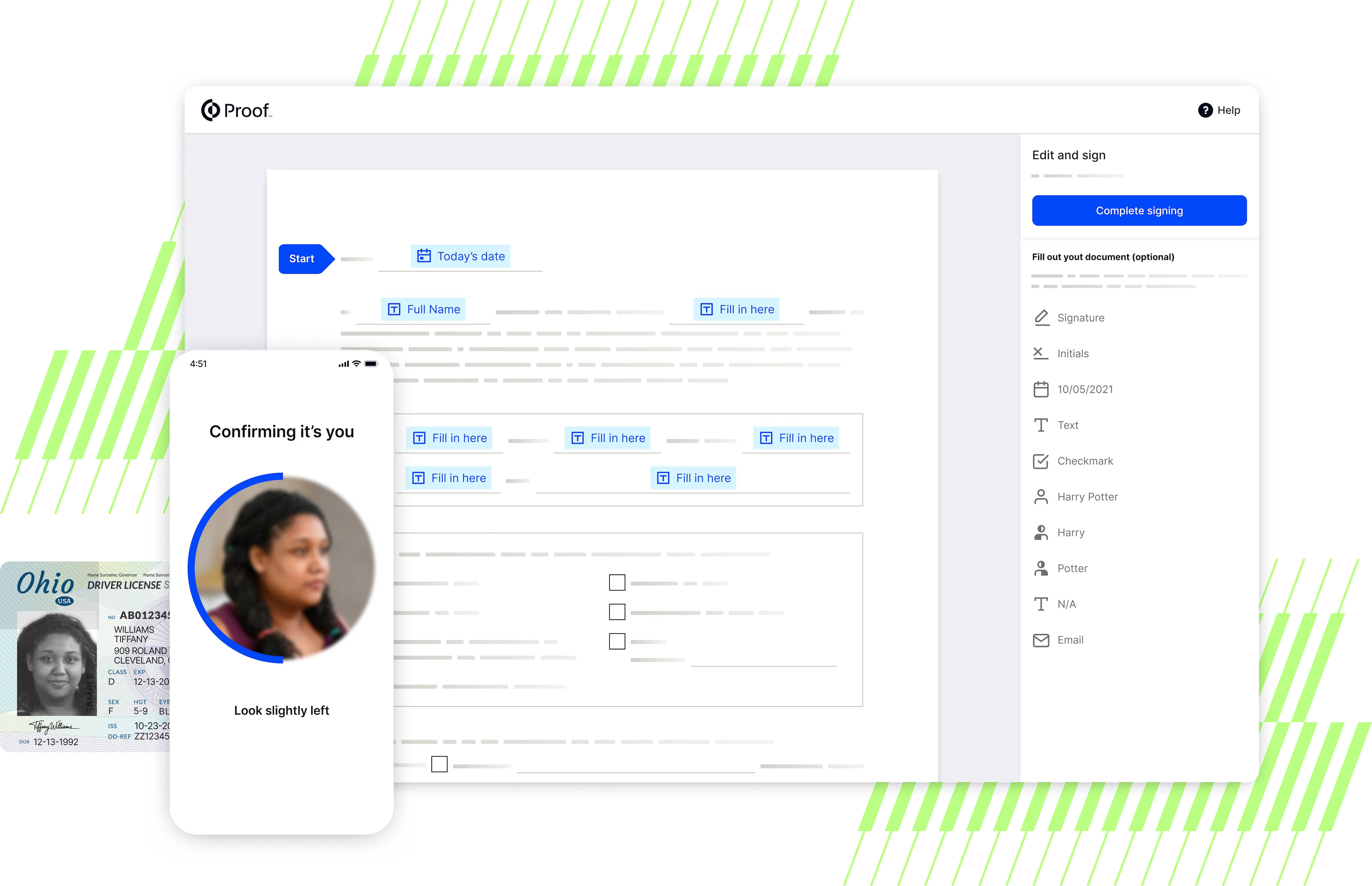
With Proof, every signature can carry a verified identity, at a published per-signer price, with an IAL2 assurance level on record. When you need to know who signed with confidence, Proof is there.





Why teams switch to Proof
.png)
How does Proof compare to Docusign?


The record you produce when a signature is challenged
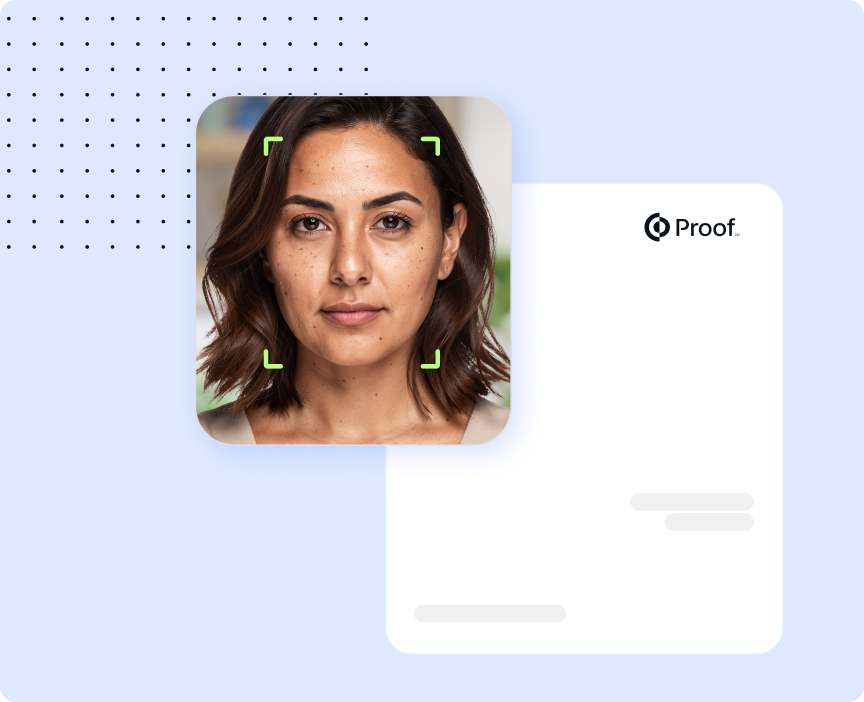
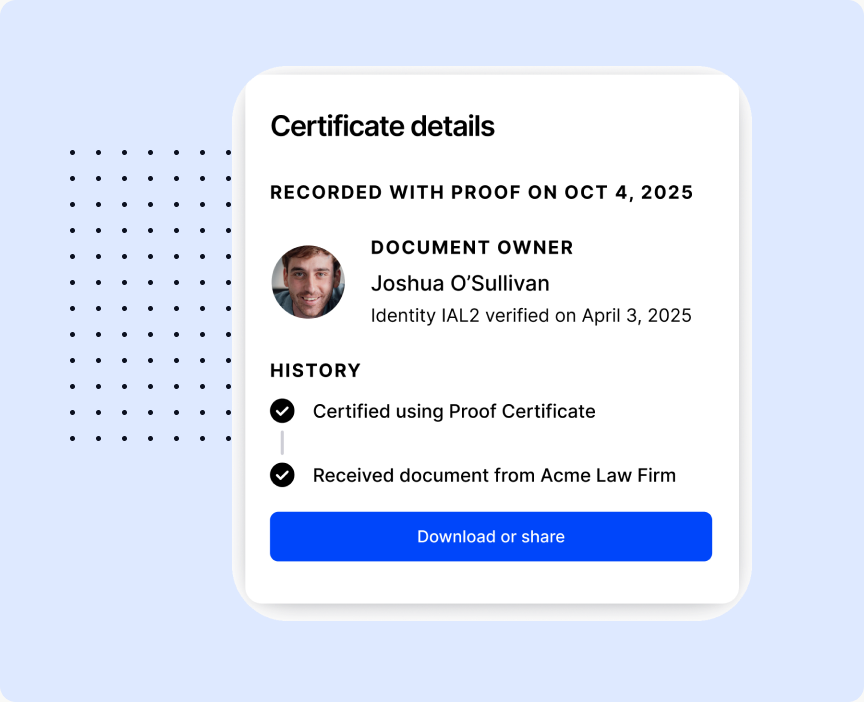
Every Proof transaction generates a Proof Identity Report documenting how the signer's identity was established, with Proof Engine® evaluating more than 4.5 million compliance rules along the way. Docusign's Certificate of Completion records authentication events and timestamps rather than documented identity proofing. For organizations whose agreements are reviewed by auditors, regulators, or underwriters, that record is what turns a signature into evidence.
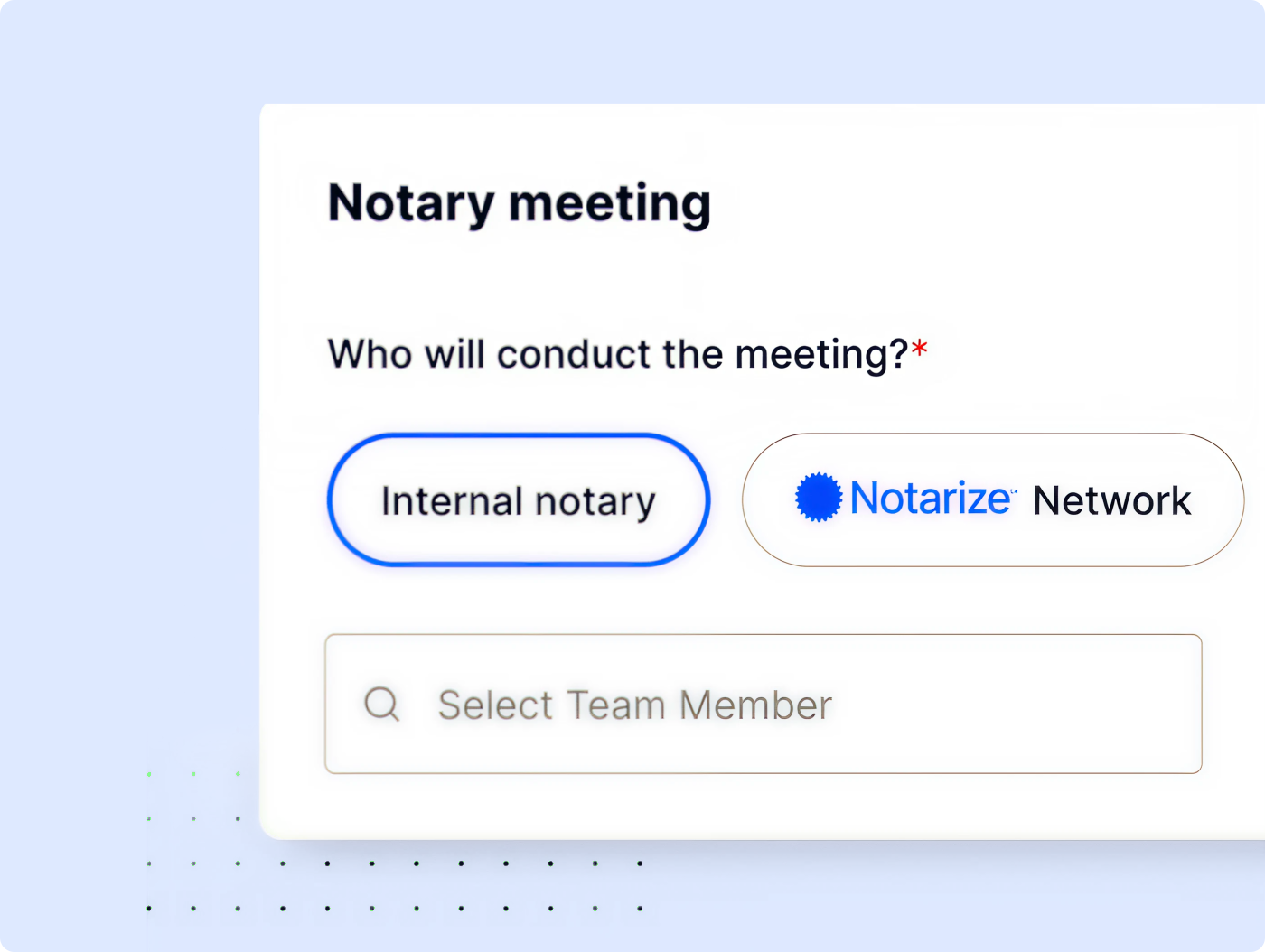
Which network performs the notarial act
Proof owns and operates the Notarize Network: thousands of vetted notaries, with calls answered in under one second. Docusign's Notary attachment names OneNotary, Inc. as the partner that "provides the Notary" for on-demand sessions and retains the notarial session record. For organizations that will be asked who performed the act and who holds the recording, that distinction belongs in the evaluation.
Certifications that show up in audit reviews
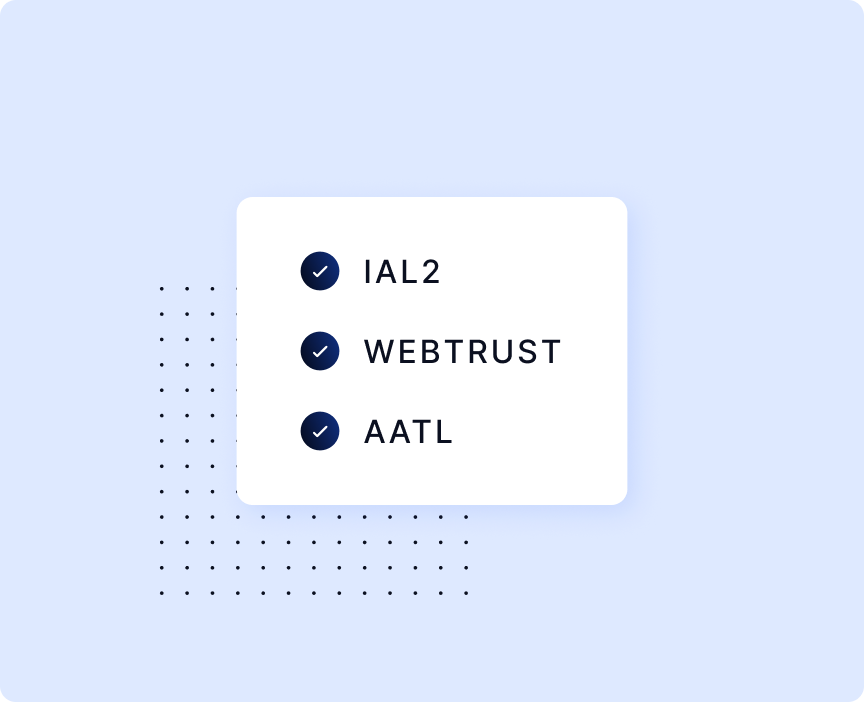
IAL2 from Kantara, WebTrust audit certification, and AATL-compliant digital certificates are the credentials that appear in regulated industry audit reviews beyond SOC 2 and ISO 27001. Proof holds all three.


Frequently asked questions
We run Docusign across the whole company. Why move eSignature?
Most teams move the agreements where they would have to show who signed: loan documents, beneficiary designations, powers of attorney, account changes, contracts above their risk threshold. On Docusign, verifying those signers is a per-attempt add-on and knowledge-based authentication sits on Enhanced plans. Proof runs verification in front of the signature and produces an Identity Report on every transaction, so the evidence exists before anyone asks for it.
Docusign's per-verification rate is lower. How do I justify the difference?
Compare the whole cost, because the two rates measure different things. Docusign's unit is the verification attempt, so a signer who retries is billed again. Proof's unit is the verified signer. Docusign's rate also buys document verification on its own: knowledge-based authentication requires an Enhanced plan, which is quoted, and add-ons "cannot be purchased without a base plan," so the spend sits on top of a seat plan at 100 envelopes per user per year. Proof's Pro plan is priced per transaction: Sign at $4 per transaction, Identify at $4 per signer covering the credential check, the selfie match, and the knowledge questions together, and Trusted Referee escalation at $25 when a signer needs it. For a team running a few hundred high-value verifications a year, those two structures produce very different annual numbers, and the seat plans are often the larger line. Run it on your own volume before deciding which one is cheaper. See more about Proof's pricing here.
How long does implementation take?
Proof deploys in days. The implementation team handles transitions from Docusign, including for organizations that keep Docusign running for other workflows.