
The Top Rated KYC and Identity Management Solution
KYC compliance used to mean checking a box. Today it means detecting AI-generated fake IDs, synthetic identities, and sophisticated impersonation attempts that pass automated checks.
You don’t just need an ID check. You need Proof.
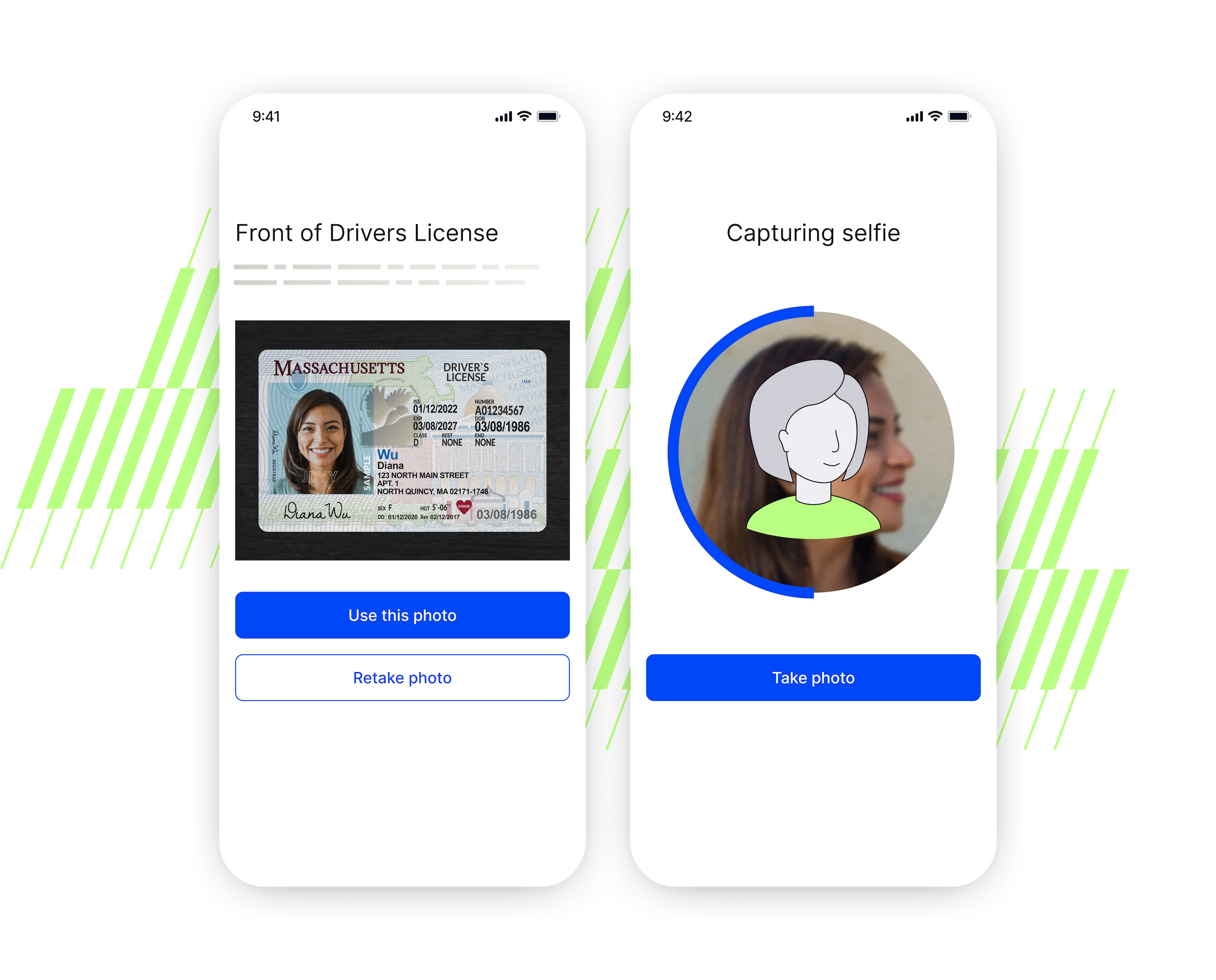
What KYC and identity management platforms actually do
KYC programs verify that customers are who they claim to be — at onboarding and at every high-risk interaction after. Together with identity management, they protect against fraud, meet FinCEN and AML requirements, and build the verified record that supports dispute resolution.
Today that means handling biometric matching, liveness detection, ongoing risk monitoring, and AI-generated fraud that bypasses traditional automated checks.
Synthetic Identity Fraud Is Emerging as the Defining Fraud Threat of 2026
More Sophisticated—and More AI-Driven—Than Ever: Top Identity Fraud Trends to Watch in 2026
What to look for

Identity assurance level
For regulated industries, IAL2 is the minimum for high-stakes events —government ID, biometric comparison, and liveness detection. A phone number is not identity verification.

Deepfake and synthetic identity detection
Static document analysis isn't enough. Look for behavioral signals, network-level patterns, and models that keep pace with AI-generated fraud.

Human escalation for high-risk moments
For high-value transactions, live identity agents add a layer of assurance no algorithm alone can replicate.

Audit-ready records
Every verification event should produce a tamper-evident record of what was confirmed, when, and how — your evidence layer in audits and disputes.

Integration flexibility
The right platform connects to onboarding, account management, and transaction workflows without a full re-architecture.

Step-up verification throughout the lifecycle
Re-verify at account recovery, large withdrawals, and beneficiary changes, not just at onboarding. One-time KYC is not fraud prevention.
How platforms compare
Feature | Proof | Point-solution IDV platforms |
|---|---|---|
IAL2 identity verification |  | |
Biometric + liveness detection | | |
Deepfake / synthetic ID detection | | Partial |
Live identity agent network | (1,800+) | — |
Ongoing fraud monitoring | | — |
Tamper-evident audit trail | | Partial |
Best for | Full KYC lifecycle + high-stakes moments | Automated onboarding |
Committed to the highest standards
Proof adheres to strict security standards and regulations thoroughly validated by third-party assessors. We are committed to the protection of customer data and accessibility.


Frequently Asked Questions
What is the difference between KYC and identity verification?
Identity verification is the process of confirming someone is who they claim tobe. KYC is the broader compliance program — the policies, procedures, and ongoing monitoring that regulated institutions use to understand who their customers are and manage risk over time. Identity verification is a key component of KYC.
What is IAL2 and why does it matter?
IAL2 is the National Institute of Standards and Technology's second level of identity assurance. It requires remote verification of identity using government-issued credentials and biometric matching. It is the standard used in financial services, healthcare, and government, and it is the threshold many regulators expect for high-risk identity events.
How does Proof handle customers who fail automated verification?
Proof routes uncertain or elevated-risk cases to live identity agents — trained professionals who review the verification in real time and make a determination. This reduces false rejections while maintaining strong fraud controls.